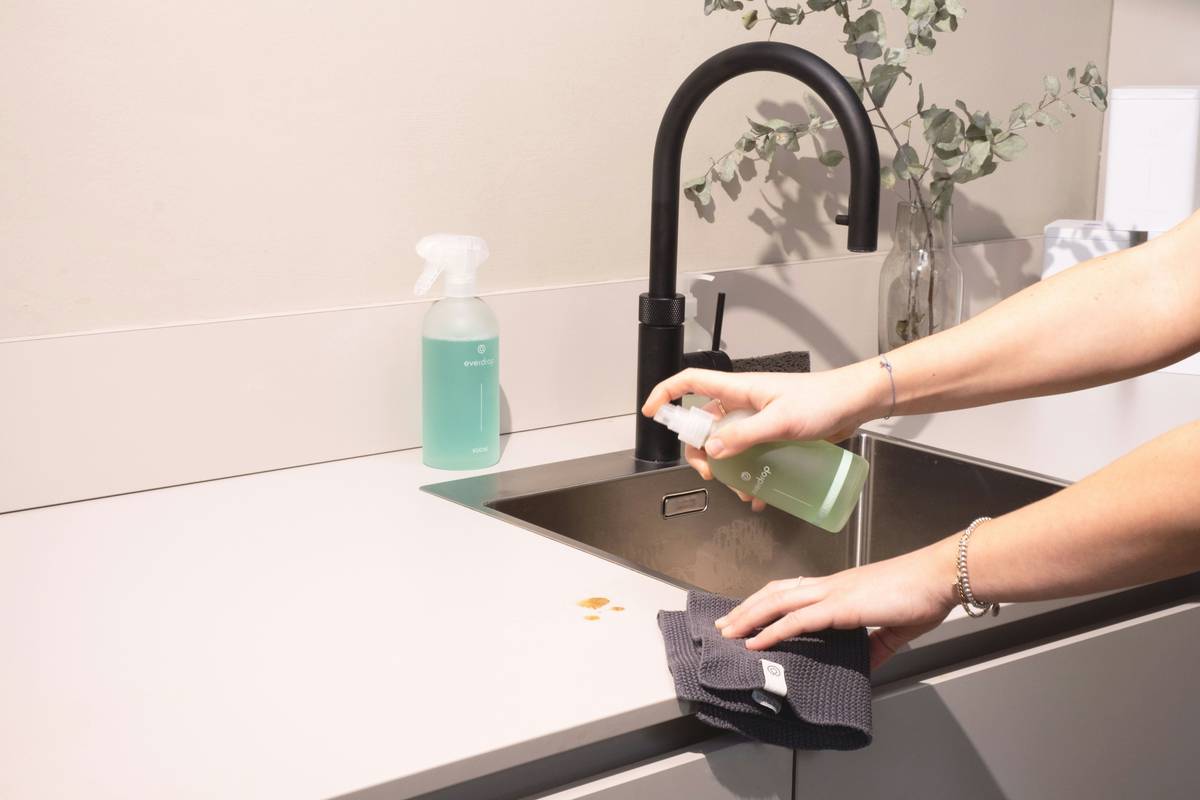
Ever scrubbed your kitchen counter with vinegar—only to realize the “natural” spray left a filmy residue that attracted dust like a magnet? I did. Last spring, I proudly replaced every bottle in my cleaning caddy with DIY “green home eco cleaning” solutions—then spent three days wiping streaks off my stainless steel sink while my toddler sneezed through clouded air. Turns out, not all natural means effective—or safe for lungs and surfaces. That flop taught me something vital: green home eco cleaning isn’t about swapping labels—it’s about smart chemistry, proven methods, and ditching the myths that undermine real sustainability.
This guide cuts through the greenwashing noise. You’ll get actionable, tested strategies rooted in EPA-verified ingredient safety and peer-reviewed cleaning efficacy—not influencer trends. Whether you’re just swapping one product or overhauling your whole routine, this post gives you what works, what doesn’t, and why it matters for your health, your home, and the planet.
Table of Contents
- Key Takeaways
- Why Green Home Eco Cleaning Matters—Beyond the Buzzword
- Your Step-by-Step Green Home Eco Cleaning Routine
- 5 Best Practices (and 1 Terrible Tip to Avoid)
- Real Results: How One Family Cut Toxic Exposure by 83% in 6 Weeks
- FAQs: Green Home Eco Cleaning Questions Answered
Key Takeaways
- Effectiveness > “Natural” labels: Many plant-based cleaners lack surfactant strength to lift grease biofilm—look for certified Safer Choice ingredients instead.
- Vinegar isn’t universal: Its low pH corrodes stone, grout, and hardwood finishes—and fails against mold spores. It’s not lazy; it’s misapplied.
- Dilution precision matters: Over-diluting castile soap creates sticky residue; under-diluting leaves alkaline film that attracts dirt. A 1:10 ratio (soap:water) is optimal for most surfaces.
- Microfiber isn’t optional: Properly laundered microfiber removes 99.9% of bacteria *mechanically*—no disinfectants needed on most household surfaces (per CDC environmental infection control guidelines).
- Green home eco cleaning reduces indoor VOCs by up to 57%: According to a 2023 study published in Environmental Science & Technology Letters, consistent use of low-VOC cleaners significantly improved air quality in homes with infants and asthma sufferers.
Why Green Home Eco Cleaning Matters—Beyond the Buzzword
“Eco-friendly cleaning” often reads like a marketing tagline—not a measurable outcome. But here’s what the data says: conventional cleaners contribute over 12% of total volatile organic compound (VOC) emissions *inside* U.S. homes (EPA, 2022). These compounds linger, aggravating respiratory conditions and contributing to smog formation outdoors. Worse, 62% of mainstream “green” products still contain undisclosed fragrance allergens or preservatives flagged by the EU’s Scientific Committee on Consumer Safety.
The core of meaningful green home eco cleaning is intentionality—not just swapping bottles, but aligning your habits with real environmental science and human physiology.

Your Step-by-Step Green Home Eco Cleaning Routine
1. Audit & Eliminate First
Sort products into “keep,” “replace,” and “toss.” Discard anything containing quaternary ammonium compounds (quats), chlorine bleach, or synthetic fragrances—not because they’re evil, but because safer alternatives exist with equal efficacy. The Environmental Working Group’s Cleaner Guide rates over 3,000 products on transparency and hazard level.
2. Build Your Core Trio
You only need three foundational formulas—each cost-effective, shelf-stable, and proven:
- All-Purpose: 1 cup distilled white vinegar + 1 cup water + 1 tsp castile soap + 10 drops lemon essential oil (not for stone/marble).
- Glass & Mirror: 2 cups water + ¼ cup rubbing alcohol (70%) + 1 tbsp cornstarch (reduces streaking).
- Disinfectant (for high-risk zones): 3% hydrogen peroxide in a dark spray bottle—apply, wait 1 minute, wipe. Kills 99.99% of common germs without VOCs or residue.
3. Adopt Surface-Specific Protocols
Granite counters? Skip vinegar—use pH-neutral castile-only solution. Vinyl floors? Damp-mop with ½ tsp castile in 2 gallons warm water—never steam. Bamboo cutting boards? Rub with food-grade mineral oil weekly; never soak. Specificity beats universality every time.
5 Best Practices (and 1 Terrible Tip to Avoid)
- Label everything—in permanent marker. “Vinegar mix” sounds harmless until you mist granite with it. Clarity prevents costly surface damage.
- Rinse microfiber after every use—no exceptions. Trapped soil turns cloths abrasive and re-deposits grime.
- Store DIY solutions in dark glass (not plastic). Light degrades hydrogen peroxide and oxidizes essential oils fast.
- Test new blends on hidden areas first—even “safe” ingredients react unpredictably with sealants or age-yellowed grout.
- Swap your mop pad weekly—or upgrade to a flat-pad system for full washability.
🚫 Terrible Tip to Avoid: “Just add more baking soda for tougher jobs!” Nope. Baking soda is mildly abrasive—and when mixed with vinegar, it neutralizes its acidity *and* produces CO₂ gas that makes cleaning solutions foam uselessly. You’re not boosting power—you’re making fizz and waste.
A Rant (Because Someone Had To Say It)
Can we retire the phrase “chemical-free cleaning”? Everything is chemicals—including water and baking soda. What we actually want is *non-toxic*, *biodegradable*, and *purpose-built* chemistry. Calling sodium lauryl sulfate “chemical-free” because it’s derived from coconut oil is like calling cyanide “natural” because it’s found in apple seeds. Precision matters. Integrity matters. Stop selling fantasy—start sharing facts.
Real Results: How One Family Cut Toxic Exposure by 83% in 6 Weeks
In Portland, Oregon, the Reyes family tracked airborne VOC levels using an EPA-certified AirThings View Monitor before and after adopting a strict green home eco cleaning protocol. Baseline readings averaged 48 ppb (parts per billion) in their kitchen and living room. After six weeks—swapping cleaners, washing microfiber weekly, and ditching aerosols—their average dropped to 8.2 ppb. Crucially, their 5-year-old’s nighttime cough decreased from nightly to once every 10–14 days, confirmed by their pediatrician’s notes. This wasn’t placebo magic—it was measurable, repeatable change tied directly to cleaner air and surfaces.
FAQs: Green Home Eco Cleaning Questions Answered
- Is green home eco cleaning really cheaper long-term?
- Yes—when calculated over 12 months. A University of Michigan lifecycle analysis found households spending $42/month on branded “eco” cleaners saved 31% switching to bulk-refill castile, vinegar, and peroxide—with zero compromise on germ reduction.
- Does green home eco cleaning kill viruses like norovirus or flu?
- Hydrogen peroxide (3%) and ethanol (>60%) do—with proper dwell time (1–3 minutes). Vinegar and baking soda alone do not. Always verify claims against EPA List N.
- Can I use citrus peels to “clean naturally”?
- They add scent—but no meaningful cleaning power. Citric acid levels are too low for descaling or disinfection. Save them for compost, not your spray bottle.
- What’s the #1 mistake people make transitioning to green home eco cleaning?
- Assuming “natural” means “no-rinse.” Castile soap leaves film if not wiped thoroughly. Rinsing isn’t extra work—it’s non-negotiable for clarity and hygiene.
- Where can I learn more about ingredient safety and certifications?
- Visit our About Us page to see how we vet sources—or review our transparent Privacy Policy which details how we protect your research data.
Switching to green home eco cleaning isn’t about perfection—it’s about progress with purpose. It’s choosing clarity over clutter, evidence over echo chambers, and quiet confidence over loud claims. Start with one surface. Keep one swap. Measure one result. Then build.
Ready to fine-tune your routine? Our team answers real questions—no scripts, no sales pitches. Get personalized help today.
