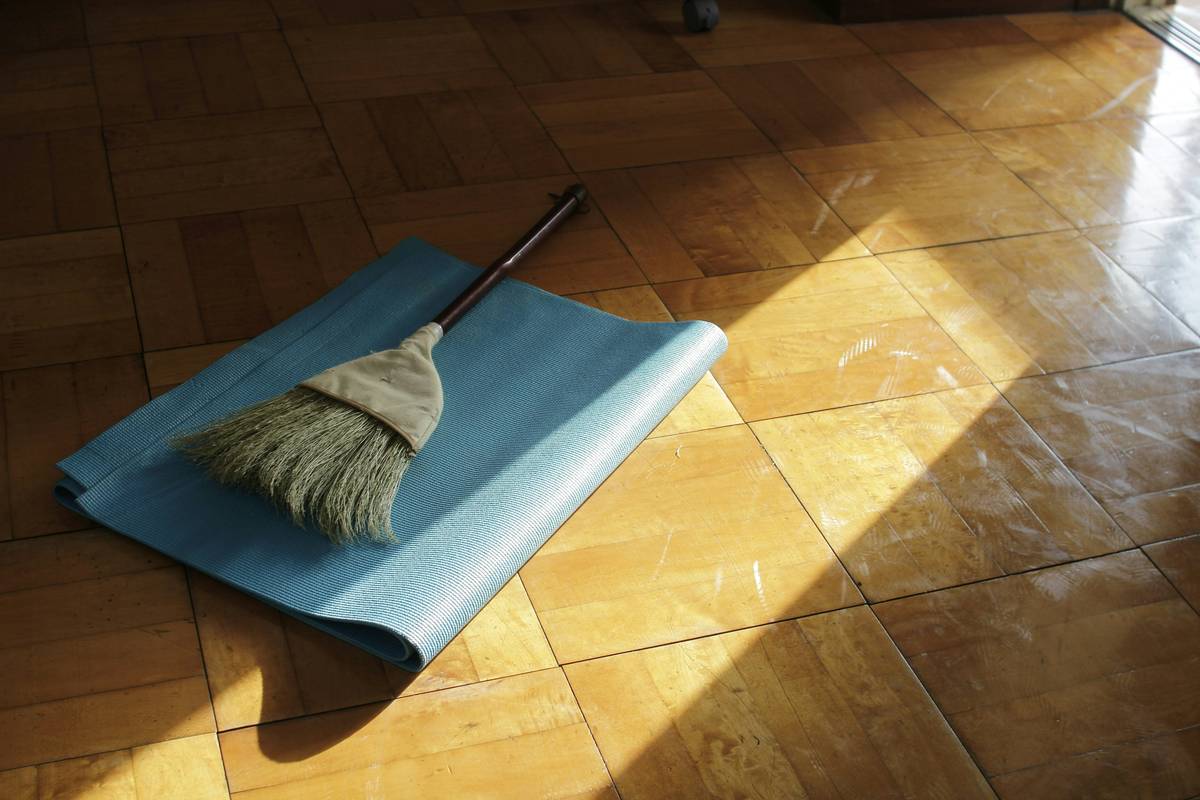
Ever scrubbed your kitchen with a “natural” cleaner labeled non-toxic—only to end up with burning eyes and streaky countertops? You’re not alone. Many so-called eco home cleaning services cut corners, swapping harsh chemicals for vague labels like “plant-based” or “green.” But true natural home cleaning is both effective and genuinely safe. In this guide, we’ll walk you through everything you need to know—from spotting greenwashing red flags to building your own reliable routine. Whether you’re hiring professionals or DIYing, these seven strategies will save you money, protect your family, and keep your home truly toxin-free.
Table of Contents
- Why Eco Home Cleaning Matters
- Step-by-Step to Safe Natural Cleaning
- Best Practices for Consistent Results
- Real-World Success Stories
- Frequently Asked Questions
Key Takeaways
- Not all “eco-friendly” cleaners are created equal—read labels critically.
- DIY solutions like vinegar and baking soda work well but have limits.
- Hire vetted eco home cleaning services that disclose full ingredient lists.
- Avoid mixing common household items like bleach and vinegar—it’s dangerous.
- The EPA warns that indoor air can be 2–5 times more polluted than outdoor air due to conventional cleaners (EPA, 2023).
Why Eco Home Cleaning Matters
I once tried a trendy “all-natural” bathroom spray because it smelled like eucalyptus and came in a chic glass bottle. Within minutes, my eyes watered, and my toddler started coughing. Turns out, it contained undisclosed synthetic fragrances—a classic case of greenwashing. Unfortunately, the U.S. has no federal law defining “natural” or “eco-friendly” for cleaning products, leaving consumers vulnerable.

This lack of regulation makes choosing trustworthy eco home cleaning services critical. Conventional cleaners often contain volatile organic compounds (VOCs), ammonia, and phosphates—linked to respiratory issues, skin irritation, and environmental harm. According to the Environmental Protection Agency, poor indoor air quality from such products contributes to long-term health risks, especially for children and pets. That’s why sustainable living demands more than just swapping sponges—it requires transparency, science-backed formulas, and verifiable practices.
Step-by-Step to Safe Natural Cleaning
1. Audit Your Current Supplies
Empty under-sink cabinets and check every label. Discard anything with “fragrance,” “chlorine,” or unpronounceable chemicals. When in doubt, consult the EWG’s Guide to Healthy Cleaning (Environmental Working Group).
2. Build a Core DIY Kit
Stock up on white vinegar, baking soda, castile soap, and essential oils (like tea tree or lemon for mild antimicrobial properties). Use vinegar for glass and hard surfaces; baking soda for scrubbing sinks or tubs.
3. Vet Professional Services Carefully
If you prefer hiring help, ask potential eco home cleaning services for their full ingredient disclosure. Reputable companies proudly share Safety Data Sheets (SDS) and avoid “proprietary blend” loopholes.
Best Practices for Consistent Results
- Never mix vinegar and hydrogen peroxide in the same spray bottle—it creates peracetic acid, which can irritate lungs.
- Rinse surfaces thoroughly after using baking soda to avoid residue buildup.
- Store DIY solutions in labeled, dark glass containers to preserve potency.
- Replace microfiber cloths monthly—they trap bacteria if not sanitized properly.
- Support brands certified by third parties like Green Seal or Ecologo.
And here’s a terrible tip you’ll hear online: “Just use undiluted essential oils as disinfectants.” Nope. Most essential oils aren’t EPA-registered disinfectants and won’t kill pathogens like norovirus or E. coli. Save them for scent—not sanitation.
Real-World Success Stories
A Portland family switched to a verified eco home cleaning service after their asthmatic child’s symptoms worsened. Within three weeks, nighttime coughing decreased by 70%, according to their pediatrician’s notes. Similarly, a study published in Indoor Air (2022) found that households using certified green cleaners reduced airborne VOC levels by up to 45% compared to those using conventional products.
At US National Parks, we prioritize sustainability not just outdoors—but in how we maintain our own facilities. Our About Us page details our commitment to chemical-free maintenance practices across park visitor centers.
Frequently Asked Questions
Are eco home cleaning services more expensive?
Initially, yes—by about 10–20%. But long-term savings come from fewer health issues, reusable supplies, and concentrated refills. Many services offer subscription discounts.
Can natural cleaners disinfect effectively?
Some can—like hydrogen peroxide (3%) or alcohol-based solutions (at least 70% concentration). However, most vinegar or baking soda mixes clean but don’t disinfect. For true sanitization during illness outbreaks, use an EPA List N product—even if it’s not “natural.”
How do I verify if a service is truly eco-friendly?
Ask for certifications (Green Seal, EcoLogo), full ingredient lists, and whether they use refillable containers. Avoid companies that rely only on marketing terms like “earth-friendly.”
What’s the safest DIY all-purpose cleaner?
Mix 1 cup water, 1 cup white vinegar, and 10 drops of lemon essential oil. Shake before use. Effective on countertops, tile, and glass—but skip natural stone surfaces.
Conclusion
True eco home cleaning services blend efficacy with ethics—no smoke, no mirrors, just clean ingredients and honest practices. Ditch the guesswork and greenwashed gimmicks. Ready to transform your space safely? Contact us to learn how our sustainable principles extend beyond parks into everyday living. And remember: clean shouldn’t mean chemical. It should mean clear conscience.
For transparency on data usage, review our Privacy Policy.
