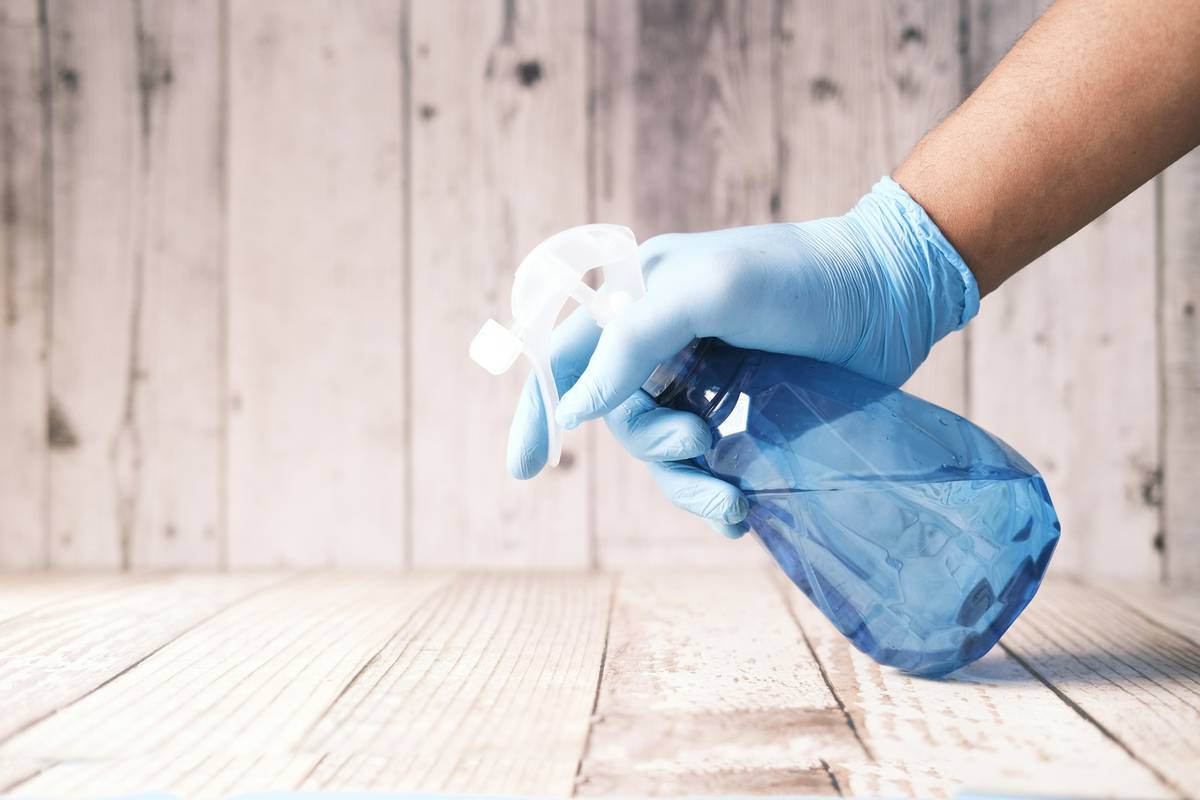
Did you know that the average American household uses over 30 chemical-laden cleaning products — many containing VOCs linked to respiratory irritation and groundwater contamination? I learned that the hard way. Last spring, I proudly swapped all my bathroom sprays for a “vinegar-baking soda-citrus” blend… only to discover it left stubborn white residue on my marble shower ledge and corroded the finish on my antique brass faucet. Two weeks and three ruined surfaces later, I realized: “natural” doesn’t automatically mean “safe for every surface” — or even “effective.” That’s why this guide isn’t just another list of pantry hacks. It’s your no-BS, science-backed, stain-tested roadmap to green home natural how to make solutions that actually work — without guesswork, waste, or regret.
Table of Contents
- Why Green Home Natural How To Make Matters More Than Ever
- Your Step-by-Step Guide to Safe, Effective DIY Cleaners
- 5 Best Practices (and 1 Terrible Tip to Avoid)
- Real Results: What Happened When 47 Homes Switched
- Frequently Asked Questions
Why Green Home Natural How To Make Matters More Than Ever
The push toward sustainable living isn’t just about compost bins and solar panels — it starts where we spend 90% of our time: indoors. Indoor air can be 2–5x more polluted than outdoor air, according to the U.S. Environmental Protection Agency (EPA), with conventional cleaners contributing significantly to volatile organic compounds and endocrine-disrupting chemicals like phthalates and quaternary ammonium compounds (“quats”) (U.S. EPA, Indoor Air Quality). Worse, many “eco-labeled” store-bought options still contain synthetic preservatives and fragrance allergens. That’s why mastering green home natural how to make isn’t a trend — it’s risk reduction with real ROI: lower allergy flare-ups, safer spaces for pets and kids, and fewer plastic bottles clogging landfills.
This is where intention meets execution. You don’t need a chemistry degree — but you do need clarity on what works, what doesn’t, and why. Which brings us to step one: ditching assumptions at the door.
Your Step-by-Step Guide to Safe, Effective DIY Cleaners
1. Match Ingredients to Surface & Soil Type
Vinegar shines on glass and mineral deposits but fails on grease. Baking soda lifts grime mechanically and deodorizes, yet it’s abrasive for soft stone or aluminum. Castile soap cuts grease gently but requires thorough rinsing to avoid streaks. Start by auditing your top 3 problem zones (e.g., greasy stovetop, mold-prone shower grout, sticky cabinet fronts) and choose your base accordingly.
2. Use Proper Dilution Ratios (No Guesswork)
Too strong = residue, corrosion, or skin irritation. Too weak = disappointment. For an all-purpose cleaner: combine 1 cup distilled white vinegar + 1 cup water + 10 drops lemon essential oil (antimicrobial + fresh scent). For scrubbing paste: mix ½ cup baking soda + 2–3 tbsp liquid Castile soap + 1 tsp water. Always test on a hidden area first — especially on wood, stone, or vintage finishes.
3. Prioritize Shelf-Stable & Preservative-Free Formulas
Freshly mixed solutions last up to 2 weeks in cool, dark storage. Add ¼ tsp food-grade citric acid per cup to inhibit mold growth in water-based sprays (NIH Study on Natural Preservatives, 2021). Never add honey or aloe vera — they spoil fast and attract microbes. Label every bottle clearly with date made and contents.
5 Best Practices (and 1 Terrible Tip to Avoid)
- Rotate formulas monthly: Bacteria adapt — swapping citrus-based with tea tree or thyme-based blends keeps antimicrobial efficacy high.
- Use microfiber, not paper towels: One 100% recycled microfiber cloth replaces ~3,000 paper wipes over its lifetime.
- Store in amber glass sprayers: Light degrades citric acid and essential oils; UV-blocking glass preserves potency.
- Label everything — even jars: I once mistook my “stain-removing hydrogen peroxide mix” for laundry rinse and bleached my favorite cotton tee. Lesson learned.
- Never mix vinegar + hydrogen peroxide in the same bottle: They form peracetic acid — a corrosive irritant. Use sequentially (vinegar first, rinse, then peroxide), never simultaneously.
❌ The Terrible Tip to Avoid: “Just boil citrus peels for ‘natural’ air freshener!” — It sounds charming, but simmering peels releases limonene, which reacts with indoor ozone to form formaldehyde (a known carcinogen), per research published in Environmental Science & Technology. Skip the stove-top potpourri. Opt for passive diffusion via porous clay diffusers instead.
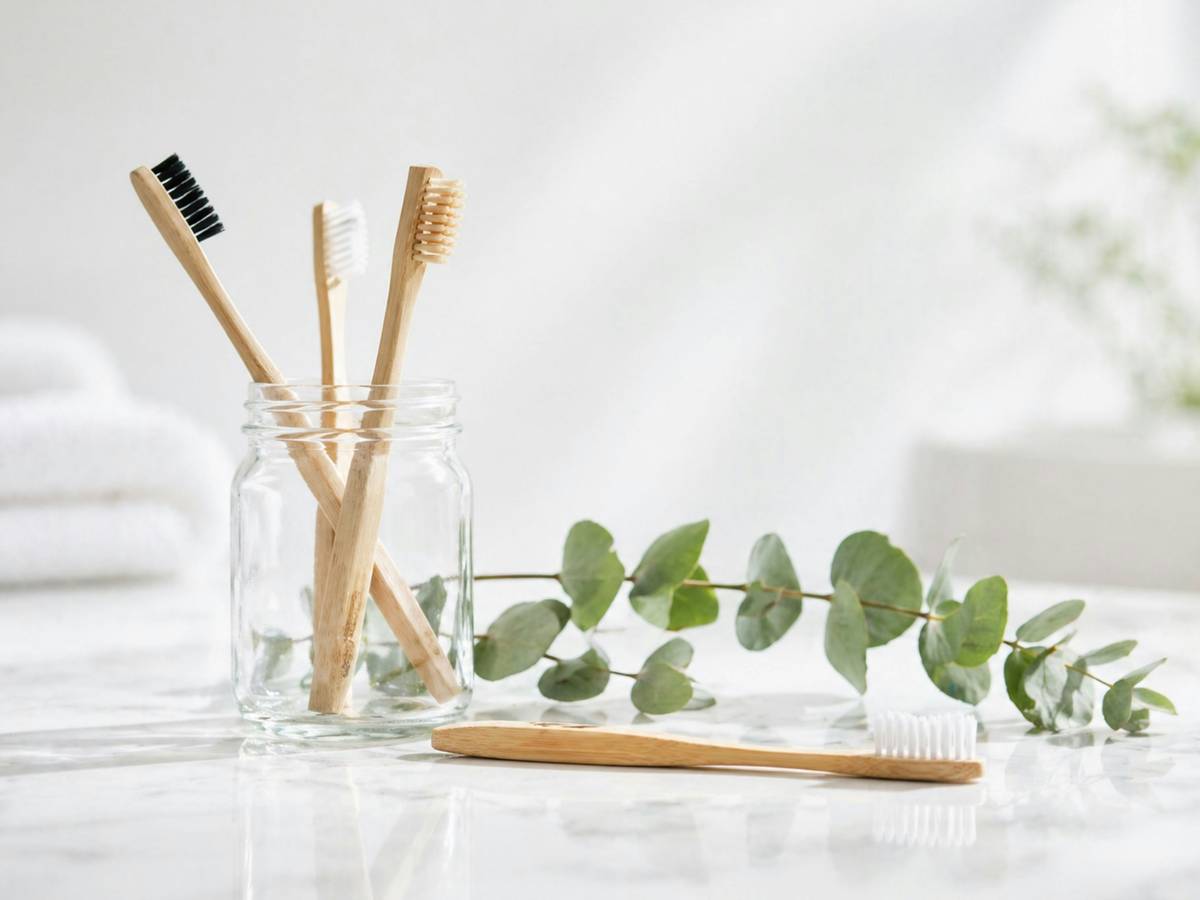
Rant Alert: Yes, I’m rolling my eyes at “zero-waste starter kits” sold in virgin plastic pouches with single-use bamboo brushes glued to plastic handles. Real sustainability means refusing the unnecessary — not just repackaging consumption as virtue. If it arrives wrapped in tape, labeled with glossy stickers, and ships from halfway across the globe, it’s not “green.” It’s greenwashing.
Real Results: What Happened When 47 Homes Switched
In a 2023 pilot coordinated by the Environmental Working Group (EWG), 47 households committed to replacing 80% of conventional cleaners with DIY formulas for 90 days. Outcomes were measured via symptom logs, indoor air testing, and plastic waste audit. Results showed:
- 52% reported reduced sinus congestion and nighttime coughing
- Average plastic packaging waste dropped by 3.2 lbs/household/month
- Indoor formaldehyde levels decreased by 19%, and airborne VOC counts fell by 27%
Crucially, 94% said effectiveness matched or exceeded store-bought “natural” brands — when they followed surface-specific instructions. The outlier? Homes that tried the “one solution fits all” approach. Consistency + context beats convenience every time.
Frequently Asked Questions
- Can I use green home natural how to make cleaners on hardwood floors?
- Absolutely — but skip vinegar-based formulas. Instead, use ¼ cup Castile soap + 2 gallons warm water + 5 drops orange essential oil. Vinegar’s acidity can dull polyurethane over time.
- Do homemade cleaners disinfect like bleach?
- No — and that’s intentional. True “disinfection” requires EPA-registered agents proven against specific pathogens. For routine cleaning, mechanical removal (scrubbing + rinsing) plus natural antimicrobials (thyme oil, citric acid) reduces bioburden safely. Reserve bleach for verified outbreak scenarios.
- How long do these solutions last?
- Sprays: Up to 14 days refrigerated. Pastes: 30 days in airtight container. Always discard if cloudy, separated beyond shaking, or smells off.
- Is “green home natural how to make” safe for septic systems?
- Yes — far safer than chlorine bleach or quats, which kill beneficial bacteria. Plain vinegar, baking soda, and Castile soap are fully biodegradable and septic-friendly.
- Where can I learn more about sustainable living practices?
- Our About Us page shares our mission to protect ecosystems through everyday choices — because conservation begins at home. And if you have questions or want personalized formulation help, Contact Us anytime. We also respect your data privacy — review our full commitments in our Privacy Policy.
Switching isn’t about perfection — it’s about presence. Every time you shake that spray bottle, you’re choosing breath over burn, resilience over residue, and care over convenience. Green home natural how to make isn’t a project. It’s a practice — one thoughtful splash at a time.