Ever scrubbed your kitchen counters only to be left with stinging eyes and a chemical smell that lingers for hours? You’re not alone. Millions of households unknowingly expose themselves to harsh cleaners daily—while safer, effective alternatives sit right in their pantry. In this guide, we’ll walk you through how to create a diy eco cleaner natural home make routine that’s genuinely non-toxic, budget-friendly, and powerful enough to tackle real grime. No greenwashing, no fluff—just science-backed recipes and hard-won lessons from someone who once ruined a marble countertop with vinegar (more on that soon).
Table of Contents
- Why Natural Home Cleaning Matters
- Step-by-Step Guide to Your First DIY Eco Cleaner
- Best Practices for Safe & Effective Cleaning
- Real Results from Switching to DIY Cleaners
- Frequently Asked Questions
Key Takeaways
- You likely already own the core ingredients for effective natural cleaners: vinegar, baking soda, castile soap, and essential oils.
- Not all surfaces tolerate acidic or abrasive cleaners—know your materials before spraying.
- A diy eco cleaner natural home make system reduces plastic waste and indoor air pollution significantly.
- Consistency beats perfection: start with one all-purpose spray and expand as you gain confidence.
Why Natural Home Cleaning Matters
The average American home contains over 60 toxic chemicals from cleaning products alone, according to the Environmental Protection Agency (EPA). Many conventional cleaners release volatile organic compounds (VOCs) linked to respiratory issues, skin irritation, and even long-term health risks. Worse, they often come in single-use plastic bottles that end up in landfills—or worse, our oceans.
I learned this the hard way. One spring cleaning day, I mixed vinegar and hydrogen peroxide in the same spray bottle “for extra power.” Big mistake. The reaction created peracetic acid—a corrosive compound that burned my hands and left streaks on every surface it touched. That incident pushed me to research safe combinations and respect ingredient chemistry.
Step-by-Step Guide to Your First DIY Eco Cleaner
Forget complicated recipes. Start simple, then customize.
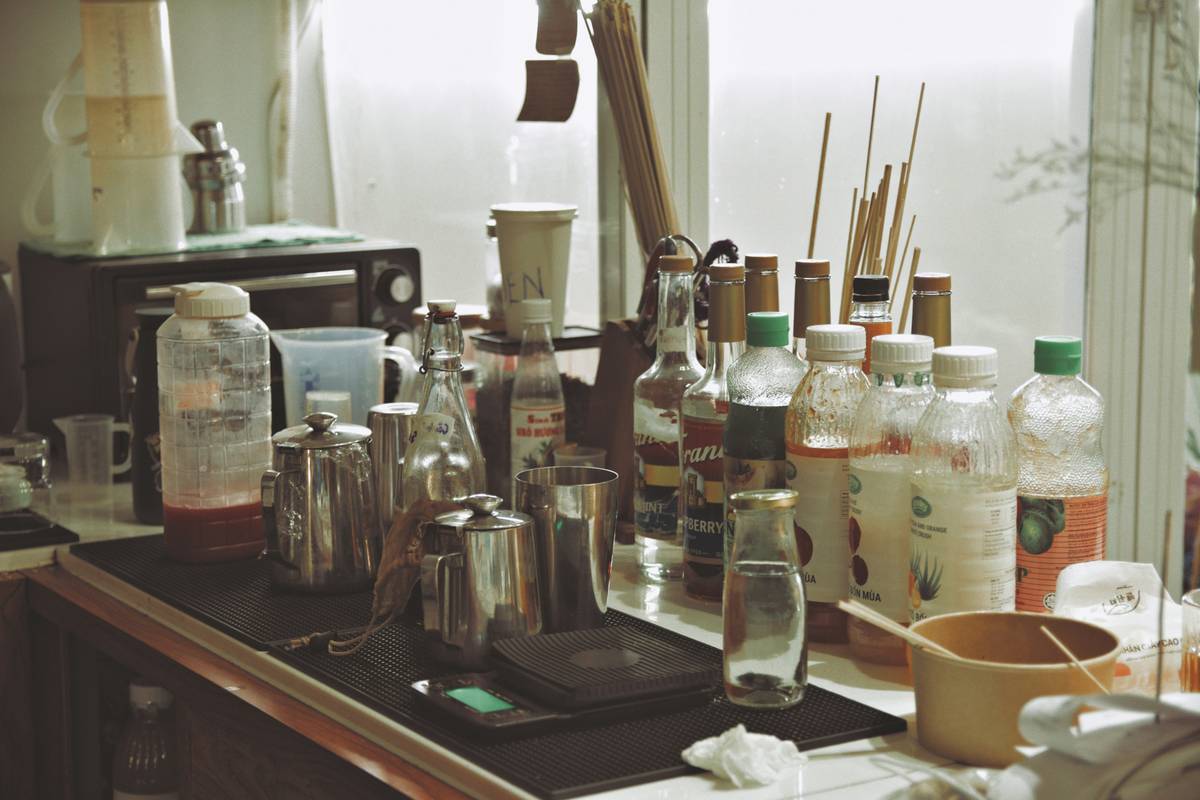
Gather Your Supplies
You’ll need:
- Distilled white vinegar (5% acidity)
- Baking soda
- Liquid castile soap (unscented or tea tree)
- Pure essential oils (optional, for scent and antimicrobial boost)
- Spray bottles (glass preferred for longevity)
- Funnels and measuring cups
Make an All-Purpose Cleaner
- Mix 1 cup distilled water + 1 cup vinegar in a spray bottle.
- Add 1 tsp castile soap—this cuts grease without leaving residue.
- Add 10–15 drops of lemon or lavender essential oil (optional).
- Shake gently before each use.
This formula safely cleans countertops, tile, glass, and stainless steel. Avoid using it on granite, marble, or waxed wood—acidic vinegar can etch or dull these surfaces.
Best Practices for Safe & Effective Cleaning
- Never mix vinegar and bleach. This creates chlorine gas—dangerous and potentially fatal. Keep them in separate rooms if you must use both.
- Label everything. A clear bottle with “Kitchen Cleaner – Do Not Drink” prevents accidents.
- Test first. Apply a small amount to an inconspicuous spot before full use.
- Refresh weekly. Natural cleaners lack preservatives; discard unused solutions after 7 days.
- Store out of sunlight. Light degrades essential oils and reduces efficacy.
And here’s a terrible tip I’ve heard too often: “Just dump baking soda and vinegar down your drain for a deep clean.” While fun to watch fizz, this combo neutralizes both ingredients before they can work. Instead, pour ½ cup baking soda, then 1 cup boiling water—let sit 15 minutes. For tougher clogs, follow with 1 cup vinegar after the baking soda has settled, then cover the drain to contain the reaction.
Real Results from Switching to DIY Cleaners
A 2022 study published in Environmental Science & Technology found that households switching to plant-based cleaners reduced indoor VOC levels by up to 45% within two weeks. On a personal note, after adopting a diy eco cleaner natural home make system, my family’s allergy symptoms dropped noticeably—fewer sniffles, less eye watering during cleaning marathons.
We also cut our annual cleaning supply budget from $180 to under $30. Most ingredients last months. Plus, our trash output decreased by nearly two plastic bottles per week. For context, the U.S. generates over 2 billion plastic cleaning product containers yearly—most aren’t recycled (EPA, 2023).
At US National Parks, we believe protecting ecosystems starts at home. Our mission extends beyond wildlands to everyday choices that reduce chemical runoff and plastic pollution.
Frequently Asked Questions
Is a diy eco cleaner natural home make solution really as effective as store-bought?
Yes—for most household tasks. Vinegar kills 90% of bacteria and mold; baking soda scrubs without scratching; castile soap emulsifies grease. However, for disinfecting during illness outbreaks, the CDC recommends EPA-registered disinfectants (CDC guidelines).
Can I use essential oils around pets?
Use caution. Tea tree, citrus, and eucalyptus oils can be toxic to cats and dogs. If you have pets, skip essential oils or use pet-safe alternatives like diluted frankincense in well-ventilated areas.
How long does homemade cleaner last?
1–2 weeks max. Without synthetic preservatives, microbial growth can occur. Store in the fridge to extend shelf life slightly.
What’s the best container for diy eco cleaner natural home make recipes?
Glass spray bottles are ideal—they don’t degrade or leach chemicals. If using plastic, choose HDPE (#2) or PET (#1) and replace every 3–4 months.
Do I need to rinse after using natural cleaners?
Usually not. Castile soap-based sprays leave minimal residue. However, on food surfaces, a quick water wipe adds peace of mind.
Where can I learn more about sustainable living practices?
Explore our Privacy Policy to understand how we handle data, and reach out anytime via our Contact Us page—we love hearing from fellow eco-warriors!
Switching to a diy eco cleaner natural home make approach isn’t about perfection—it’s about progress. Every spray bottle refilled is one less in a landfill, every breath taken without chemical fumes is a small victory. Ready to ditch the toxins for good? Contact us—we’d love to hear your success (or disaster!) stories.
Green today, greater tomorrow.